NASA ASCEND
PHOENIX COLLEGE HIGH-ALTITUDE BALLOONING
PHOENIX COLLEGE HIGH-ALTITUDE BALLOONING
PHOENIX COLLEGE HIGH-ALTITUDE BALLOONING
The NASA ASCEND program empowers STEM students through hands-on aerospace engineering missions. From sub-orbital telemetry to payload integration, we push the boundaries of undergraduate research.
The NASA ASCEND internship program is a high-altitude ballooning project funded by the Arizona/NASA Space Grant. It provides a unique opportunity for undergraduate STEM students to work on hands-on, real-world, NASA-related science & engineering projects.
Design and fly balloon-launched scientific payloads up to 100,000 ft. in elevation.
Work with over 100 Arizona STEM college and university students.
Apply engineering skills in real-world NASA-related projects.
ASCEND teams follow NASA engineering processes—from requirements and subsystem design to flight operations and peer-reviewed reporting—preparing students for internships and aerospace careers.
Scientific payloads designed, launched, and recovered by ASCEND students. Translating theoretical aerospace concepts into flight-ready hardware.
Record-breaking mission achieving 101,260 feet with a comprehensive sensor suite and optimized mechanical design.
Multi-spectral solar radiation study using AS7331 sensors to evaluate stratospheric ozone health.
Cross-validating onboard BME688 data with NOAA radiosonde data for predictive modeling coursework.
Mission design reviews, fabrication, and flight readiness checklists.
Live tracking via dual GPS, 1-minute cadence telemetry broadcast.
Data ingestion and peer-reviewed presentation development.
Explore research data curated by the Arizona Space Grant Consortium (ASGC). Flight telemetry, atmospheric measurements, and student publications.
Multi-spectral solar and radiation measurements from our payload sensors, including UV-A, UV-B, and UV-C bands.
High-fidelity flight path and systems telemetry for mission planning, including GPS tracks and recovery logs.
Student research outputs that highlight ASCEND discoveries, including symposium posters and mission briefs.
Target: High-Altitude Profiling
Status: Success / Recovered
Data Points: 101,260 (Downsampled)
Key Logic: UV Recovery & Magnetic Flux
// CHANGELOG : HailMaryV1c 2026-02-06
// - memory optimizations: Changed "hPa" to "Pa"
// - Added magnetic vector data collection (BNO055)
// - Added UV recovery Function (AS7331)
// - Modified DataPoint struct for sensor fusion

struct DataPoint {
  unsigned long timestamp;
  double uvValues[12];
  uint32_t pressure;   // Reported in Pascals (Pa)
  float temperature;
  float altitude;
  float gyroValues[3];
  float accelValues[3];
  float magValues[3];
};

void logData() {
  DataPoint newDataPoint;
  newDataPoint.timestamp = millis();

  if (getUVdata()) {
    // Multi-spectral UV Processing
    newDataPoint.uvValues[0] = UV1A;
    // ...
  }

  if (bmpWorking) {
    newDataPoint.pressure = bmp.pressure;
  }
}
The incredible teams that have reached for the stars.
Dr. Eddie Ong, Dr. Ernest Villicaña
Nate Okafor
Advanced Atmospheric Profiler & UV Suite
Preston Furulie led precision soldering on the avionics stack, rebuilding failed joints from an early test and hardening the boards for flight-ready reliability.
Under the mentorship of Dr. Eddie Ong and Dr. Ernest Villicaña, the legacy teams established the core engineering and software foundations of the PC ASCEND program.
Mechanical Systems
Data & Avionics
Visualizing the Fall 2025 Payload & Research Missions.
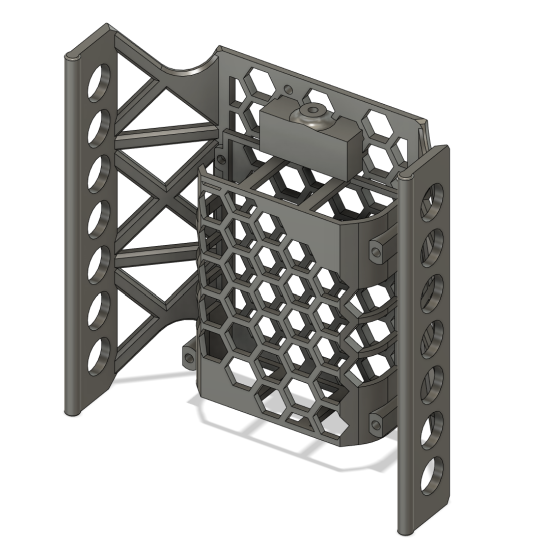
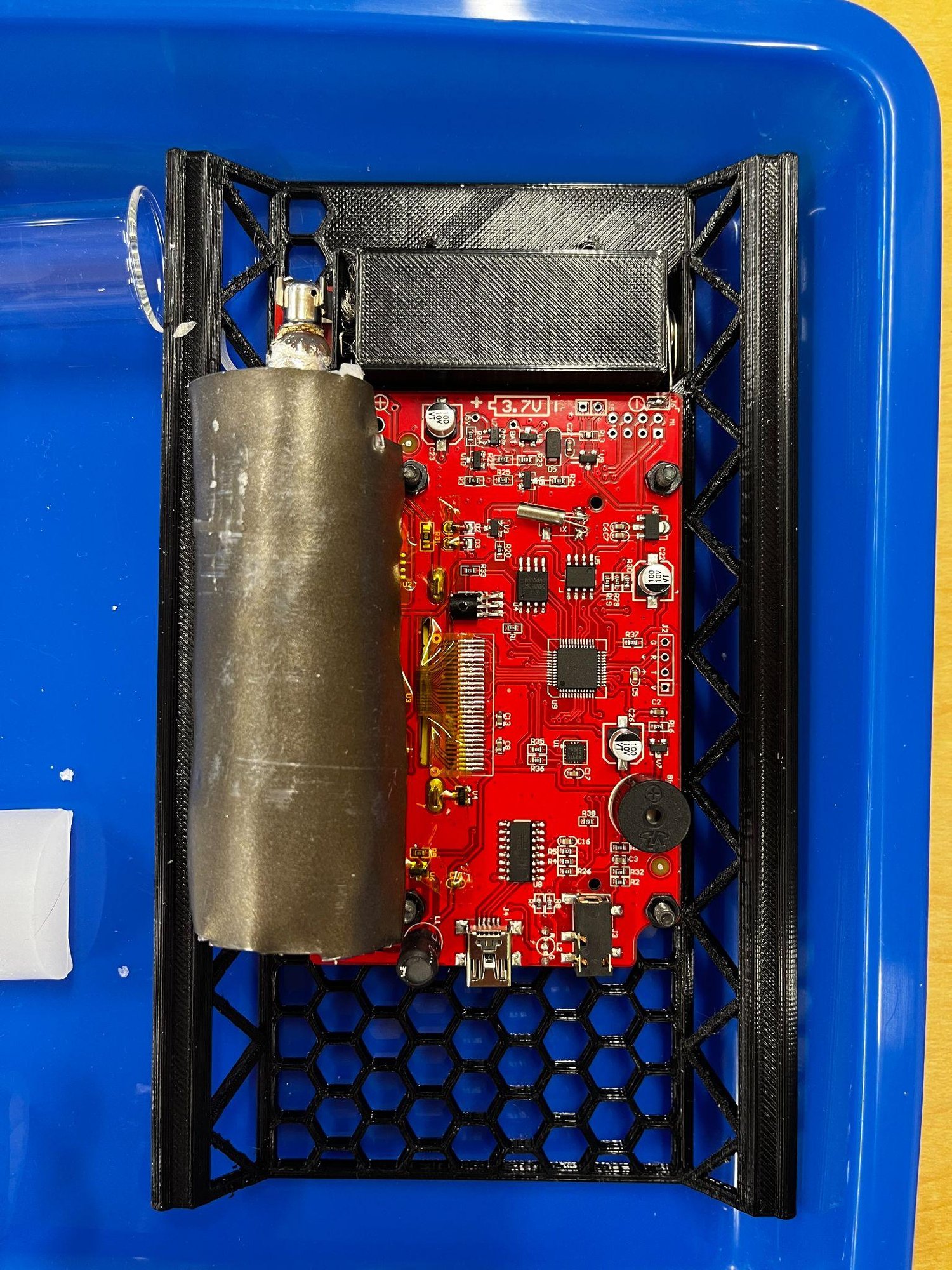
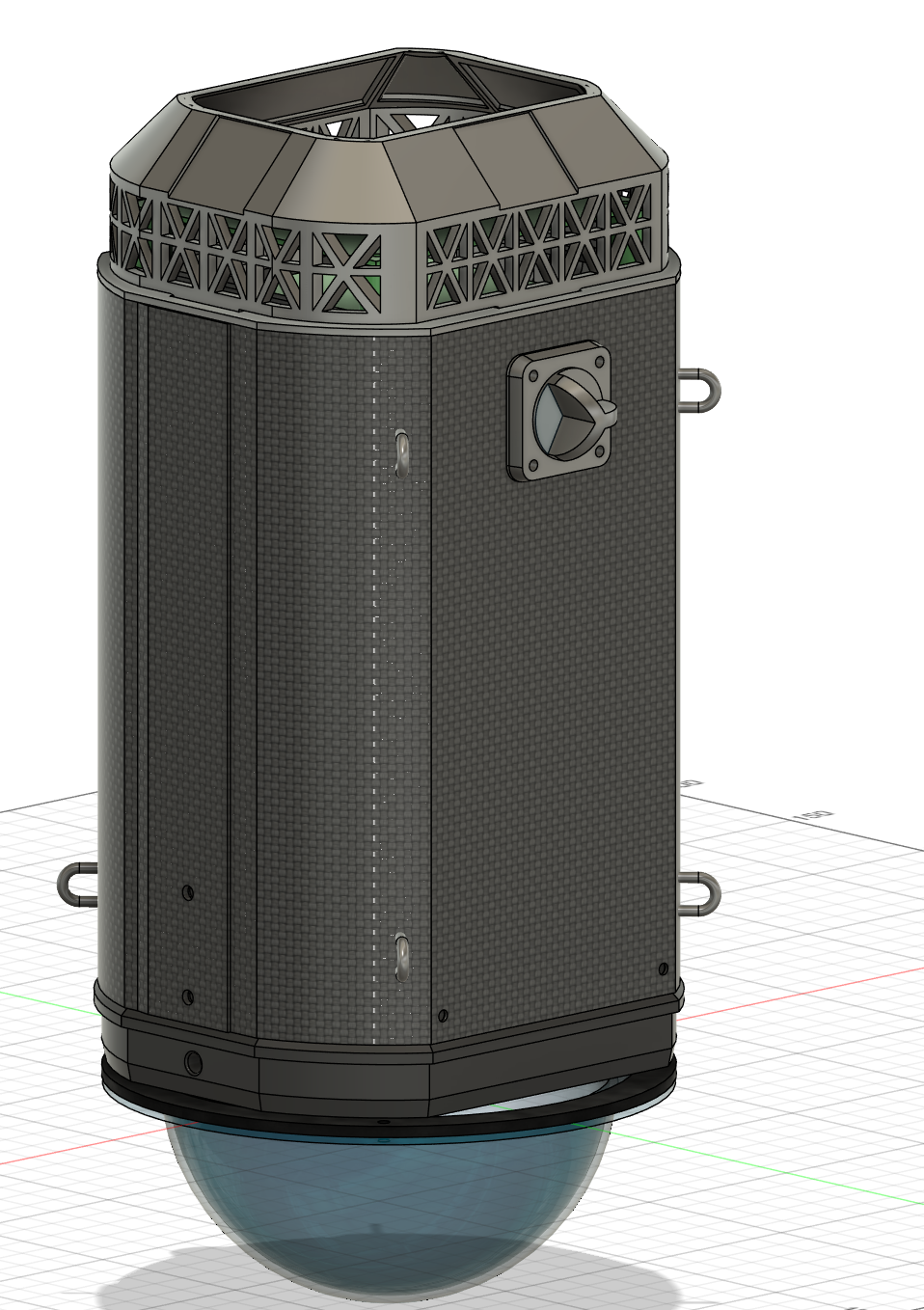

Watch our latest missions and learn about the ASCEND program.
Follow ASCEND interns as they share what it's like to design payloads and lead recoveries.
Meet the Fall 2025 ASCEND team and learn about their mission to reach new heights.
Public ASCEND launch coverage featuring prep, ascent, and recovery operations.
Join our Phoenix College Team and over 100 Arizona STEM students.
Submit your application to join the next high-altitude mission.